The information on this website is general in nature and does not take into account your objectives, financial situation, or needs. Consider seeking personal advice from a licensed adviser before acting on any information.
Nightclub contents, stock and equipment insurance can help protect the physical assets that keep a venue operating, from sound and lighting gear to bar stock, refrigeration, furniture and fit-out. This guide explains what operators should consider before choosing cover limits.
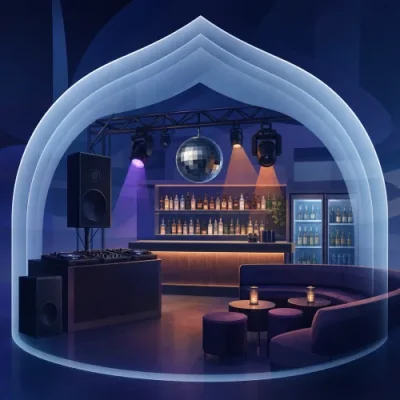
Contents, stock and equipment insurance for nightclubs is designed to help protect the physical assets inside and around a venue. For nightclub operators, those assets can be substantial: sound systems, lighting rigs, DJ equipment, bars, refrigeration, furniture, point-of-sale equipment, glassware, stock and custom fit-out can all be expensive to repair or replace after an insured event.
This article explains what nightclub assets may be covered, how stock and equipment limits are usually considered, and what operators should check before selecting sums insured. It is general information only and does not take into account your venue, lease, budget, risk profile or insurer requirements.
Where contents and stock cover fits within nightclub insurance
Nightclub insurance is usually made up of several cover types. Public liability insurance focuses on claims made by third parties, while property-related cover focuses on physical assets. Contents insurance nightclub cover, stock insurance nightclub cover and nightclub equipment insurance may sit within a broader business insurance package, depending on the insurer and policy structure.
For a broader overview of venue cover options, you can visit Nightclub Insurance Online. This article focuses specifically on the asset side of cover rather than liability, workers compensation, cyber or other policy areas.
What assets can nightclub contents insurance help protect?
Nightclub contents insurance generally relates to business property that is not part of the building itself. The exact definition varies by policy, so it is important to read the wording and schedule carefully. In a nightclub setting, contents may include:
- Furniture and furnishings: tables, chairs, booths, lounges, stools, decorative items and soft furnishings.
- Bar and service equipment: bar counters, taps, glasswashers, ice machines, shelving, glassware and service stations, depending on how the policy defines contents and fixtures.
- Office and administration items: computers, printers, safes, filing cabinets and office furniture used to run the business.
- Cleaning and maintenance equipment: commercial cleaning tools, storage items and maintenance equipment kept on site.
- Security equipment: CCTV units, monitors, access control equipment and alarms, where covered by the policy.
- Point-of-sale equipment: terminals, cash drawers, scanners and related equipment, subject to exclusions and any cyber or electronic equipment limitations.
Some policies may distinguish between contents, fixtures, fittings, tenant improvements and landlord-owned property. That distinction matters because the party responsible for insuring an item may depend on the lease and the ownership of the asset.
Nightclub equipment insurance: sound, lighting and technical gear
Nightclub equipment insurance is particularly important for venues with specialist entertainment infrastructure. A nightclub's equipment is often central to its revenue and patron experience, and replacement costs can be high.
Assets to consider may include:
- sound systems, amplifiers, speakers, subwoofers and mixers;
- DJ decks, controllers, turntables and microphones;
- lighting rigs, moving lights, lasers, strobes and control boards;
- screens, projectors, visual display equipment and cabling;
- stage equipment, rigging and mounting systems;
- karaoke, live performance or event production equipment;
- backup equipment stored on site; and
- portable equipment that may be taken off site for events, if the policy allows this.
Operators should check whether equipment is covered only at the insured premises or also while temporarily removed, in transit, hired out, used at an off-site event or stored elsewhere. Portable or high-value electronic equipment may need to be specified separately or covered under a different section of the policy.
Stock insurance for nightclubs
Stock insurance nightclub cover may help protect items held for sale or use in the venue. For a nightclub, stock can include alcohol, mixers, packaged beverages, food, promotional merchandise and consumables.
Stock values can fluctuate significantly. A venue may hold more stock before major events, long weekends, summer trading periods, festive seasons or ticketed functions. If the stock sum insured is based only on a quiet trading week, it may not be enough during busier periods.
When considering stock limits, operators should think about:
- the normal value of stock held on site;
- peak stock levels before major nights or events;
- whether refrigerated or temperature-sensitive stock is included;
- how damaged, stolen or contaminated stock would be valued;
- whether theft cover is subject to security conditions; and
- whether spoilage, machinery breakdown or power failure requires separate cover.
Alcohol and high-value stock can also attract specific security expectations from insurers. For example, an insurer may want details about alarms, locks, safes, monitored security, access control and after-hours storage practices before offering or renewing cover.
Fit-out, fixtures and tenant improvements
Nightclub fit out insurance can be complex because leased hospitality premises often include a mix of landlord-owned building elements, tenant-installed improvements and removable business contents.
Fit-out may include dance floors, bars, built-in seating, wall treatments, mirrors, lighting infrastructure, acoustic treatments, signage, decorative features, bathroom upgrades and custom joinery. Whether these are treated as building, contents, fixtures or tenant improvements depends on the policy wording and the lease.
Before selecting limits, operators should review:
- who owns each part of the fit-out;
- who is responsible for insuring it under the lease;
- whether the fit-out would need to be reinstated to the same standard after a loss;
- whether council, building code, fire safety or accessibility requirements could affect reinstatement costs;
- whether professional fees, debris removal or make-safe costs are included; and
- whether improvements completed after the policy started have been added to the insured values.
If there is uncertainty, it can be useful to obtain advice from a broker, accountant, valuer or relevant building professional. Insurance outcomes depend on policy terms, underwriting criteria and the evidence available at claim time.
Common insured events and policy limitations
Property-related nightclub insurance may respond to certain insured events, but policies vary. Common areas to check include fire, storm, water damage, theft, attempted theft, malicious damage, impact damage, glass breakage and accidental damage. Some covers may be included automatically, optional, sub-limited or excluded.
The following table outlines issues that nightclub operators should review before relying on cover:
| Area to check | Why it matters for nightclubs |
|---|
| Theft conditions | Cover may depend on evidence of forcible entry, alarm use, lock standards or security procedures. |
| Malicious damage and vandalism | High-traffic venues can face damage to furniture, bathrooms, glass, fittings and equipment. |
| Glass cover | Windows, mirrors, display glass and internal glass features may need separate consideration. |
| Electrical or mechanical breakdown | Damage from breakdown of refrigeration, sound or lighting equipment may not be treated the same as fire or storm damage. |
| Flood and water damage | Flood, stormwater, burst pipes and escape of liquid can be defined differently by insurers. |
| Portable equipment | Equipment taken off site may not be covered unless specifically included. |
| Sub-limits | Some categories, such as money, glass, refrigerated stock or electronic equipment, may have lower limits than the overall contents sum insured. |
Exclusions, limits and excesses can materially affect how useful a policy is after an incident. Operators should ask questions before purchase or renewal rather than waiting until a claim occurs.
Choosing contents, stock and equipment cover limits
Selecting a sum insured is one of the most important decisions for nightclub property insurance. The sum insured is the amount nominated for a category of property, but it may not automatically reflect the actual cost to replace everything after a loss.
When setting limits, operators should consider the full replacement or reinstatement cost of assets, not just their written-down accounting value. For example, a sound system bought several years ago may have a low book value but still be expensive to replace with suitable equipment. Similarly, a custom bar or lighting installation may cost more to reinstate than expected if labour, materials, compliance work and downtime pressures are involved.
Useful steps include:
- Create an asset register: list major contents, stock, fixtures, fittings and equipment, including purchase dates, serial numbers and approximate replacement values.
- Separate asset categories: distinguish between stock, contents, electronic equipment, tenant improvements, glass, money and portable items where relevant.
- Allow for peak stock: consider higher trading periods, special events and seasonal purchasing patterns.
- Review lease obligations: confirm whether the landlord or tenant is responsible for particular fixtures, building elements and improvements.
- Check sub-limits: make sure category limits reflect the venue's actual exposure, not only the headline policy amount.
- Update after changes: revise sums insured after refurbishments, new equipment purchases, layout changes or expansion into additional areas.
The site's calculators may be a useful starting point for organising financial estimates, but operators should not rely on a simple estimate alone. Insurers may assess claims based on policy wording, proof of ownership, valuation evidence and the circumstances of the loss.
Replacement value, indemnity value and underinsurance
One of the key issues in nightclub property insurance is how assets are valued. Policies may use different valuation bases, and the difference can affect claim payments.
Replacement value generally refers to the cost of replacing an item with a new equivalent or reinstating property to a comparable standard, subject to the policy terms. Indemnity value generally takes age, wear and condition into account. The precise meaning depends on the policy wording.
Underinsurance can occur when the insured value is lower than the actual value at risk. Some policies may include average or co-insurance provisions, which can reduce a claim payment if the property was insured for less than the required amount. Operators should ask how underinsurance is treated, especially where a venue has expensive fit-out or technical equipment.
Information insurers or brokers may request
When seeking insurance quotes for nightclubs, insurers and brokers may ask for detailed information about the venue and its assets. Providing clear information can help them assess the risk and recommend cover options, although it does not guarantee acceptance, pricing or terms.
Information commonly requested may include:
- venue address, trading hours and type of entertainment offered;
- estimated replacement value of contents, stock, equipment and fit-out;
- details of alarms, CCTV, locks, security patrols and monitored systems;
- fire protection systems, emergency procedures and maintenance records;
- claims history and prior insurance details;
- lease responsibilities for fixtures, improvements and building elements;
- details of high-value equipment or items taken off site; and
- stock storage practices, including refrigerated or secured storage.
If you are unsure how to classify assets or set limits, speaking with a specialist insurance broker can be helpful. The brokers page is a relevant next step for operators who want assistance comparing policy structures and discussing valuation issues.
How contents cover connects with business interruption
Contents, stock and equipment cover focuses on damaged or lost physical assets. It does not necessarily replace lost income if the venue cannot trade after an insured event. For example, a fire or major water damage incident could damage equipment and stock, but the bigger financial problem may be the closure period while repairs are completed.
That is where business interruption insurance may be relevant. It is a separate area of cover that can help address insured loss of income and ongoing expenses, depending on the policy terms and the cause of interruption. To understand that separate issue, see Unforeseen Events: How Business Interruption Insurance Can Save Your Nightclub.
Questions to ask before choosing cover
Before choosing or renewing nightclub contents, stock and equipment insurance, operators should consider asking:
- Are contents, stock, equipment and fit-out covered under one section or separate sections?
- Is cover based on replacement value, indemnity value or another valuation method?
- Are there sub-limits for theft, glass, money, refrigerated stock, portable equipment or electronic equipment?
- Does theft cover require forcible entry or specific security measures?
- Are DJ equipment, lighting rigs, sound systems and control boards covered while in use?
- Is equipment covered if temporarily removed from the premises?
- Are tenant improvements and leased fit-out covered, and does this match the lease?
- What exclusions apply to wear and tear, gradual deterioration, faulty workmanship or poor maintenance?
- Does the policy include debris removal, professional fees or temporary protection costs?
- How would underinsurance affect a partial claim?
Key takeaway
Nightclub contents, stock and equipment insurance can help protect the physical assets that keep a venue operating, but the detail matters. Operators should identify what they own, understand lease responsibilities, separate stock from contents and equipment, check sub-limits and exclusions, and select sums insured that reflect realistic replacement or reinstatement costs.
Because policy wording, underwriting and claims outcomes vary, nightclub operators should compare options carefully and seek professional guidance where needed. The right cover structure depends on the venue's assets, trading model, risk controls and insurer criteria.
Published: Saturday, 22nd Aug 2026
Author: Paige Estritori



Peak stock is the one that catches us out before long weekends, and I hadn’t thought to separate it from contents limits.